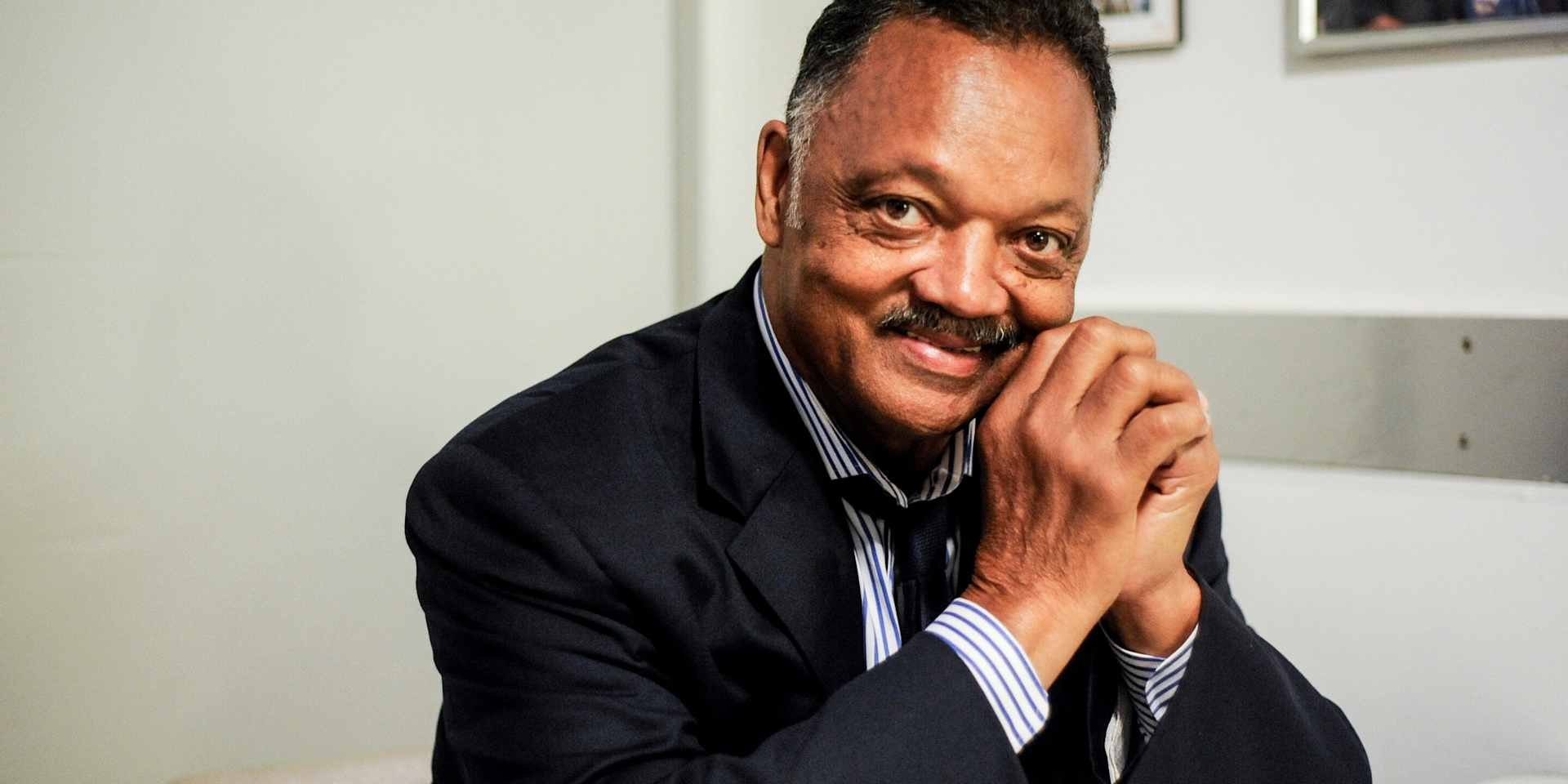
REV. JESSE JACKSON
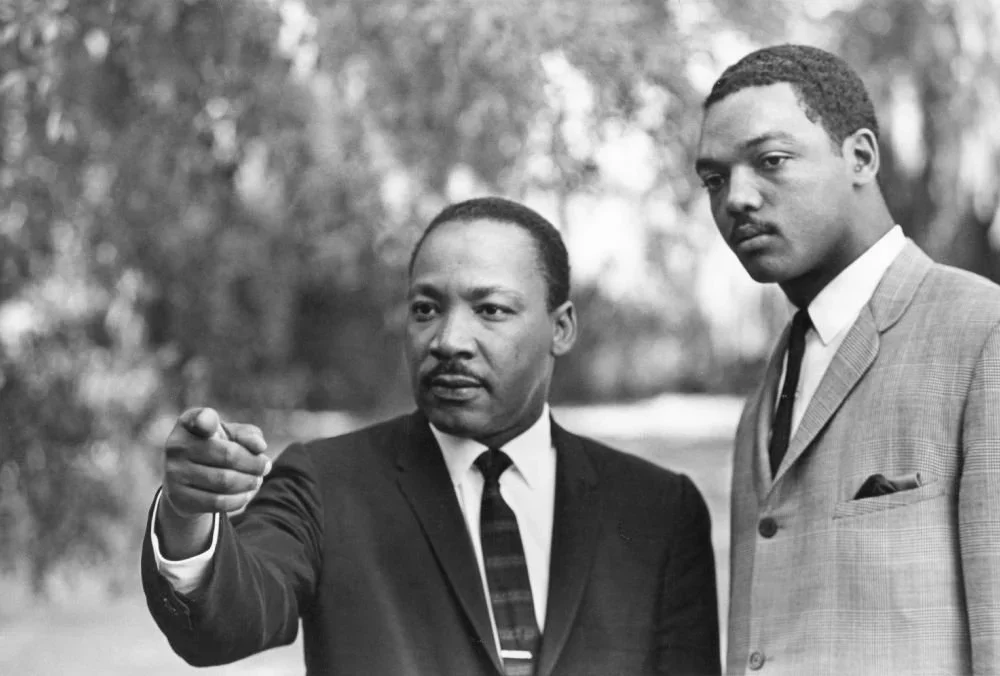
A Lifetime of Legacy
Reverend Jesse Jackson whose life was dedicated to justice and equality was born in Greenville, South Carolina. He rose from the segregated South to become one of the most recognizable and influential figures in American civil rights, politics, and global diplomacy. Rev. Jackson joined the CivilRights Movement while a student at North Carolina A&T State University, participating in sit-ins and leading many student movements for desegregation. He was an honor student and obtained the title of student body president. He earned a degree in sociology in 1964 and was then ordained as a Baptist minister in 1968. Prior to his years in North Carolina, he attended Univ. of Illinois on a football scholarship. But he was guided to North Carolina and that’s where his trajectory took him in a different direction. Jesse Jackson became a protégé of Dr. Martin Luther King Jr., working closely with him in the Southern Christian Leadership Conference and being present in Memphis when King was assassinated in 1968.
Groundbreaking Events
Of the many notable events in Jackson’s life, he made historic runs for presidential nomination in 1984/1988. His campaigns were revolutionary. He became a prominent figure in international relations. He successfully negotiated the release of American prisoners from countries like Cuba and Syria, and hundreds of foreign nationals. He also played a significant role in the anti- apartheid movement, advocating for sanctions against South Africa. In 2000 he was awarded the Presidential Medal of Freedom.
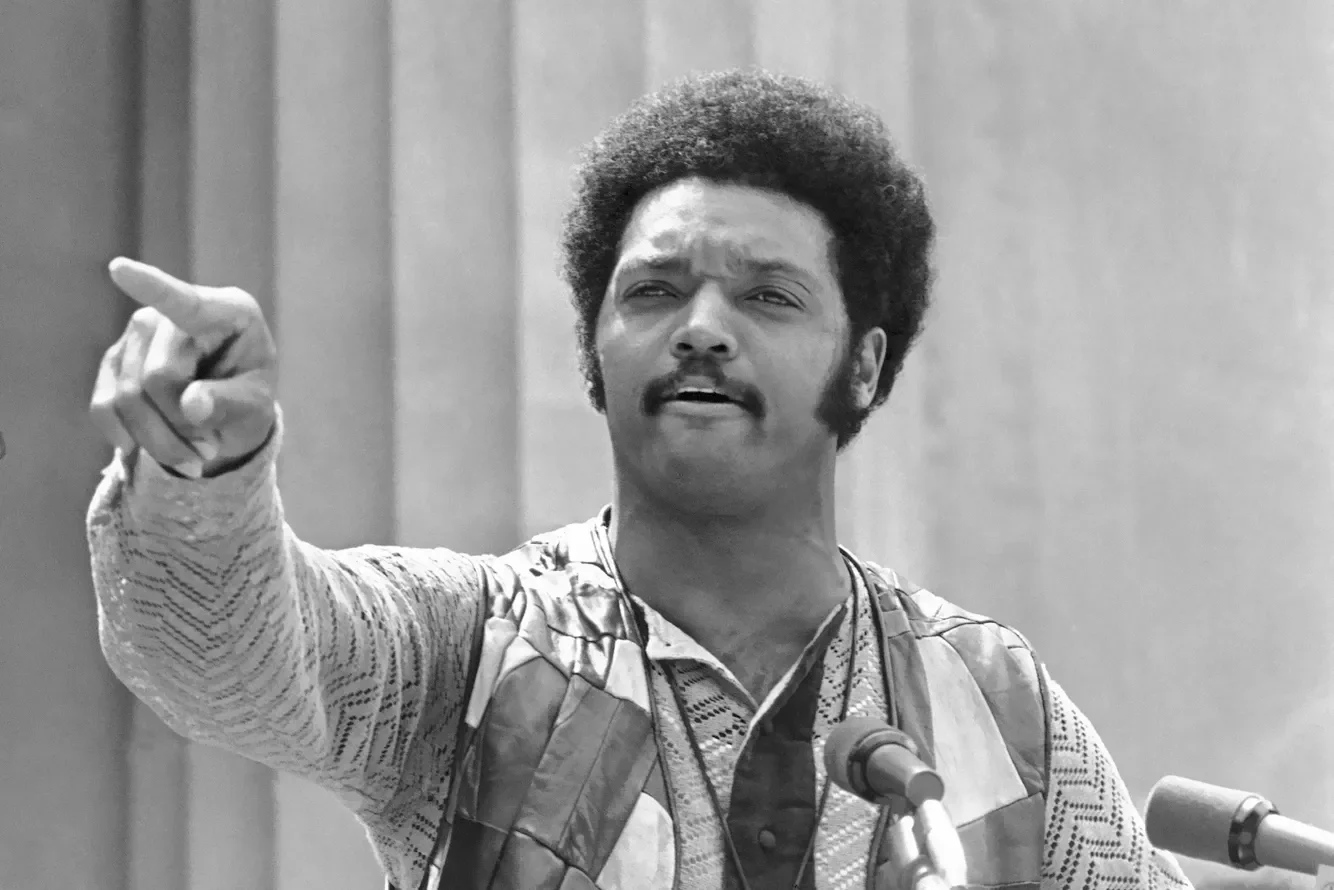
A Blueprint for Freedom
The Reverend Jesse L. Jackson October 8, 1941 – February 17,2026
Prominent leader in the Civil Rights Movement, President of Operation PUSH, 1984 Democratic candidate for President of the United States, and former Shadow Delegate and Shadow Senator for the District of Columbia from 1991 to 1997, these distinctions represent only a fraction of the many roles and responsibilities held over the remarkable life and legacy of Jesse Jackson. Revered as an elder statesman among, Reverend Jackson has long embodied unwavering courage, conviction, and moral clarity. He stood firmly and unapologetically in defense of marginalized communities, advocating not only for justice in the United States but also for human rights across the globe. His voice resonated far beyond our borders, lending strength and solidarity to those resisting oppression, including the freedom movement in South Africa during the struggle against apartheid.
The American civil rights movement, championed by leaders such as Jackson, became a beacon of hope for disenfranchised people worldwide. Among his many memorable chants, two enduring declarations, “I am somebody” and “Keep Hope Alive” became more than slogans; they evolved into affirmations of dignity, empowerment, and collective resilience. These chants echoed through countless rallies and speeches, inspiring generations to believe in their inherent worth and their capacity to effect change.
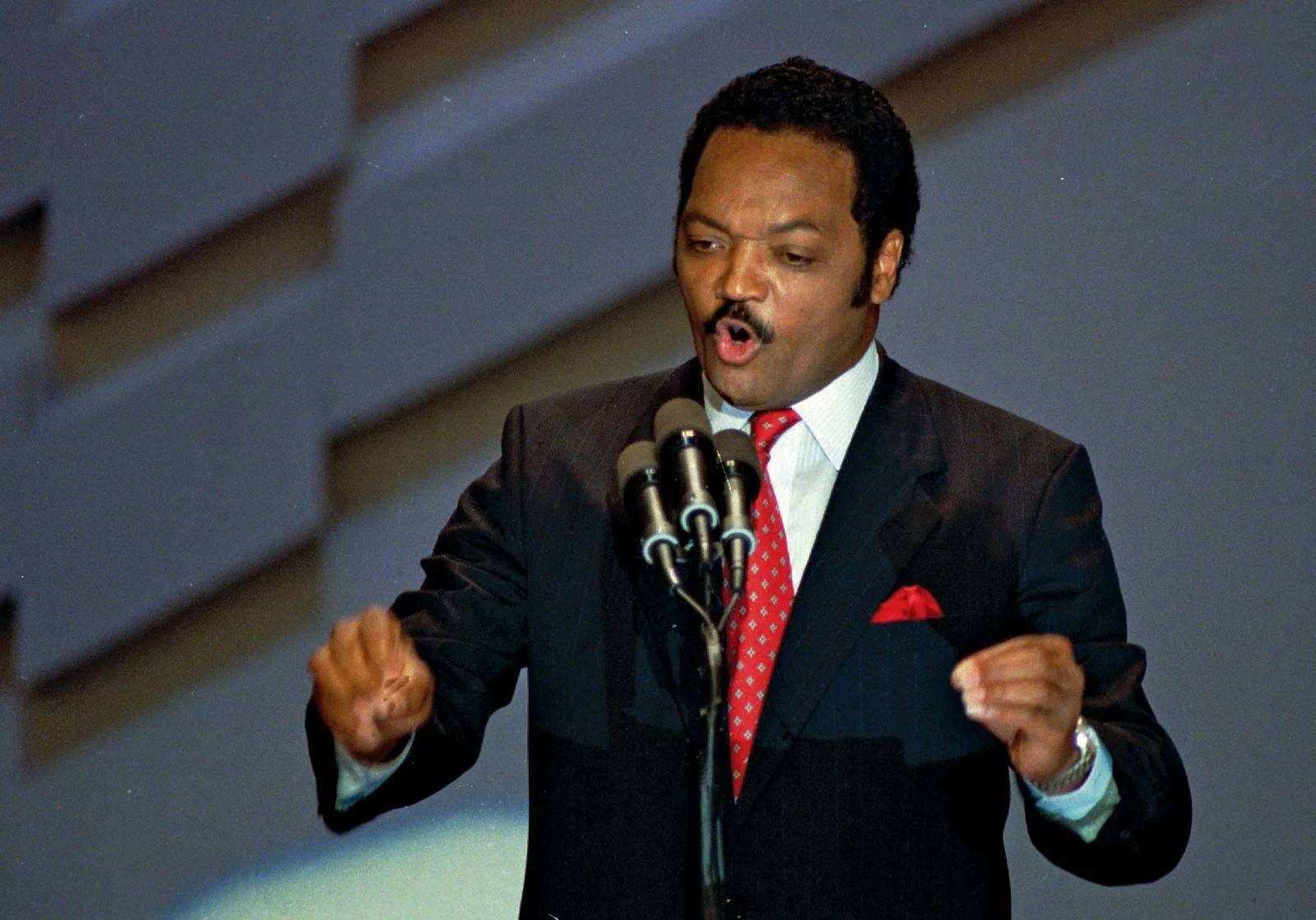
I vividly recall his presidential campaign visit to Harlem, where he addressed an enthusiastic crowd at the historic Apollo Theater. Thousands lined the streets for an opportunity to witness this six-foot-four, bold, and visionary leader who dared to pursue the highest office in the land. It was a profoundly proud and defining moment for African Americans. I was front and center in the street, waiting in the crowd as his motorcade approached, the air filled with chants of “Run Jesse Run,” reflecting the deep hope and pride he inspired. When he emerged, raising his fist in the air and declaring “Keep Hope Alive,” the crowd responded with overwhelming affirmation. He was not only a civil rights leader, but truly a champion of the people.
Standing on the shoulders of the great leaders who preceded him, Reverend Jackson extended their legacy and expanded the path forward. Because of leaders like him, many of the rights and opportunities we now enjoy were secured through sacrifice and steadfast advocacy. Many observers acknowledge that his groundbreaking presidential campaigns helped lay the foundation for the historic election of Barack Obama, as well as the broader increase in African American representation in the U.S. Senate and in Congress. Reverend Jackson’s influence helped reshape the political landscape and opened doors for future generations of public servants.
Our nation owes Reverend Jackson a profound debt of gratitude for a lifetime devoted to service, justice, and the upliftment of humanity.His legacy stands as a testament to the enduring power of faith, hope, and principled leadership. I do not look at his death as a loss; I look at his life as a great contribution. May he rest in eternal peace.